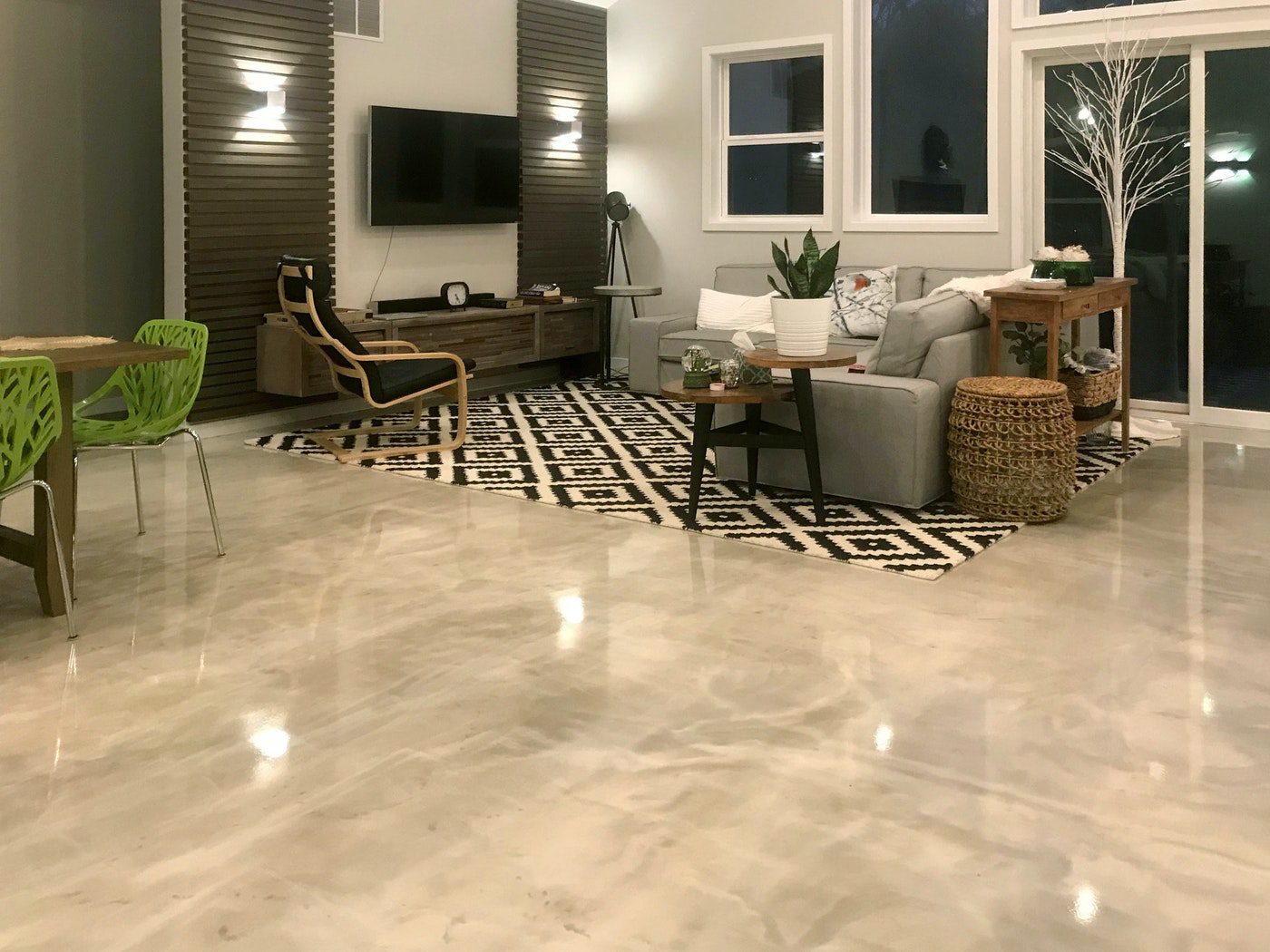
As we consider upgrading the performance and appearance of your space, epoxy coatings is a popular choice in the Omaha area. Whether you’re want to transforming your basement, cellar, or commercial property, this type of flooring offers a long-lasting and attractive solution that meets the varied demands of property owners and business owners alike. With its smooth finish and variety of styles, featuring metallic options and 3D options, epoxy flooring can bring a modern look to any space.
As you consider explore your options for coating your floors with epoxy, it's crucial to know the various kinds available, such as residential epoxy flooring and epoxy for industrial use. Each type has its unique advantages, from chemical resistance in kitchens of restaurants to non-slip finishes ideal for auto shops. This guide will discuss the different sides of selecting the best epoxy floor coating for your requirements, ensuring you achieve an educated choice that will endure for years to come. Whether you need a garage floor update or a complete warehouse floor coating, we will assist you through the decision-making process and find the ideal option for your space in this city.
Types of Epoxy Flooring
As you think about epoxy flooring, one must to know the different types available to meet specific demands. One popular option is garage floor epoxy, crafted for residential garages. This type is durable, simple to maintain, and can withstand the stress of cars, thus being a perfect option for homeowners looking to enhance their garage space with a garage floor makeover.
Commercial epoxy flooring is designed for businesses and high-traffic areas. These floors are often chemical resistant, providing protection against spills and stains, making them perfect for floors in eateries or coatings for auto repair shop floors. The anti-slip coating ensures safety in environments where moisture is present, offering peace of mind for entrepreneurs and their customers.
For industrial environments, stronger options like floor coatings suitable for industry and floor coatings for warehouses are required. These types are designed to support industrial equipment and pedestrian movement, guaranteeing durability and consistency in demanding environments. Additionally, the epoxy flooring that levels itself is a well-liked selection for those who require a level, uniform surface that supports multiple applications, including basement floor epoxy and epoxy for patio floors.
Advantages of Epoxy Flooring
Epoxy flooring provides outstanding strength, making it an excellent choice for busy areas such as auto workshops, distribution centers, and business premises. With its strong nature, epoxy flooring can withstand intense pressure and resist wear from ongoing foot and vehicle traffic. Its chemically inert properties ensure that leaks from lubricants, oily compounds, and detergents do not damage the surface, making it particularly beneficial for mechanic shop flooring and restaurant kitchen flooring.
Another key advantage of epoxy flooring is its ease of maintenance. Epoxy floor coating, , impermeable surface of epoxy floors makes them easy to clean, reducing the labor and resources required for upkeep. An low-maintenance garage floor not only looks good but can also contribute to a safer environment by reducing dust and allergens. This ease of cleaning saves hours for active homeowners or business owners who often manage multiple responsibilities.
Security is another crucial benefit of epoxy coatings. Many epoxy formulas can be tailored with slip-resistant additives, providing enhanced grip in locations that are moisture or spills. This makes it an great choice for spaces that prioritize safety, such as home garage renovations and workplaces where customer and employee safety is critical. Additionally, the waterproof floor coating offers assurance in cellars and outdoor spaces, shielding the underlying structure from moisture issues.
Installation Workflow Summary
The setup procedure of epoxy flooring is essential to achieving a durable and appealing finish. The first step entails preparing the surface. This entails cleaning the area completely, mending any defects or issues in the concrete, and ensuring that the surface is dry and free of contaminants. For garage floor installations, this step is particularly critical as grease or dirt can hinder adhesion.
Once the surface is prepared, the following stage involves the application of the epoxy floor coating. The installer will combine the resin and hardener according to the manufacturer's specifications, ensuring the appropriate consistency and chemical properties. This mixture is then applied onto the set surface and leveled evenly. For those selecting for designs like metallic epoxy garage flooring or 3D epoxy flooring, aesthetic elements can be incorporated at this stage to create a custom look.
Finally, the epoxy must cure properly to secure longevity and performance. Curing times can differ based on the exact product used and environmental conditions. During this time, it is crucial to steer clear of any foot or vehicle traffic on the newly installed floor. After setting, the new surface will be available for use, offering a waterproof, low-maintenance, and safe floor that meets various needs, from residential to commercial settings.
Care and Maintenance
Maintaining epoxy flooring is important to guarantee its longevity and look. Regular cleaning is vital; a simple routine of brooming and cleaning with a gentle detergent will keep the surface appearing fresh. For stubborn stains, a non-abrasive solution can be employed. It's crucial to stay away from strong chemicals that can damage the integrity of the water-resistant floor coating. Keeping the surface clear of grit and dirt will also assist in preventing scratches and damage.
Checking your epoxy floor frequently is important. Look for any signs of wear or damage, especially in high-traffic areas. Addressing Epoxy vs polyurea floor coating, like chips or cracks promptly will prevent them from getting worse. If you notice that your garage floor epoxy or industrial floor coating is starting to deteriorate, consider applying a fresh coat to preserve its protective qualities and make sure it remains slip-resistant.
Finally, during seasonal changes, especially in the spring, it’s a good time to evaluate your flooring needs. For those looking into a garage floor makeover, seize any epoxy flooring special offers on offer. If your flooring shows signs of deterioration, don’t hesitate to reach out for a free epoxy floor estimate to discover how a fresh installation could refresh your space.
Pricing and Quotes
When thinking about epoxy flooring in the Omaha area, it’s crucial to understand the expenses involved in the process. The cost can change significantly depending on various factors, including the size of the area, the type of epoxy flooring selected, and the difficulty of the installation. For instance, basic garage floor epoxy applications might begin at a lower price point, while complex options like metallic epoxy garage flooring or 3D epoxy flooring will usually cost more due to the specialized materials and installation techniques required.
It's also important to obtain quotes from different contractors to make sure you get a fair estimate. Many companies in Omaha provide free epoxy floor estimates, allowing you to compare prices and services. When requesting an estimate, be sure to discuss your specific needs, such as whether you need a slip-resistant floor coating or a waterproof floor coating for areas susceptible to moisture.
Finally, consider the longevity and maintenance costs of your epoxy flooring selection. A quality epoxy floor installation can last many years, often between 10 to 20 years, depending on usage and care. This long lifespan can make epoxy a cost-effective solution in the long term. Furthermore, think about seasonal promotions, such as spring garage renovation offers, which can sometimes provide discounts on your installation or materials.